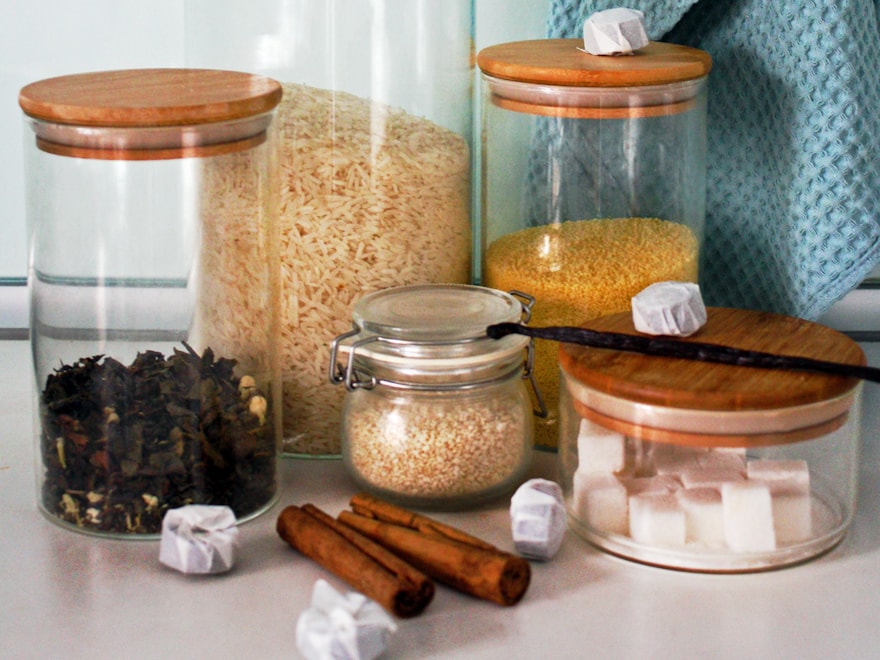
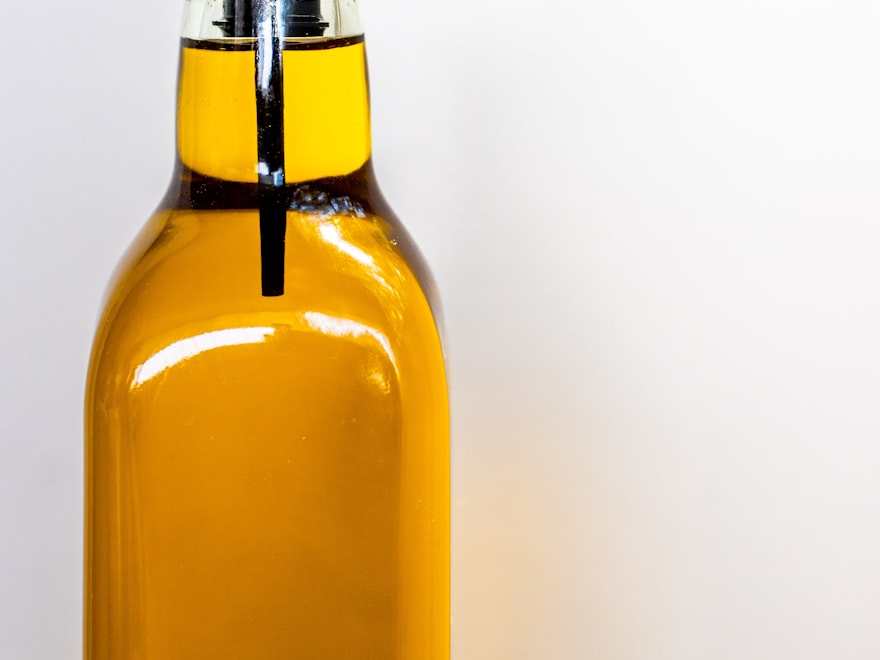
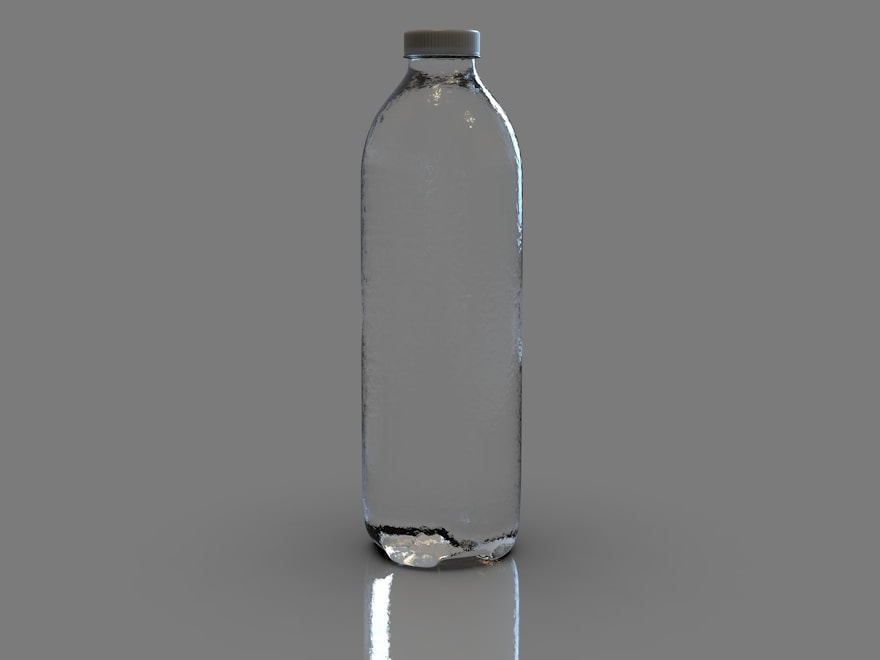
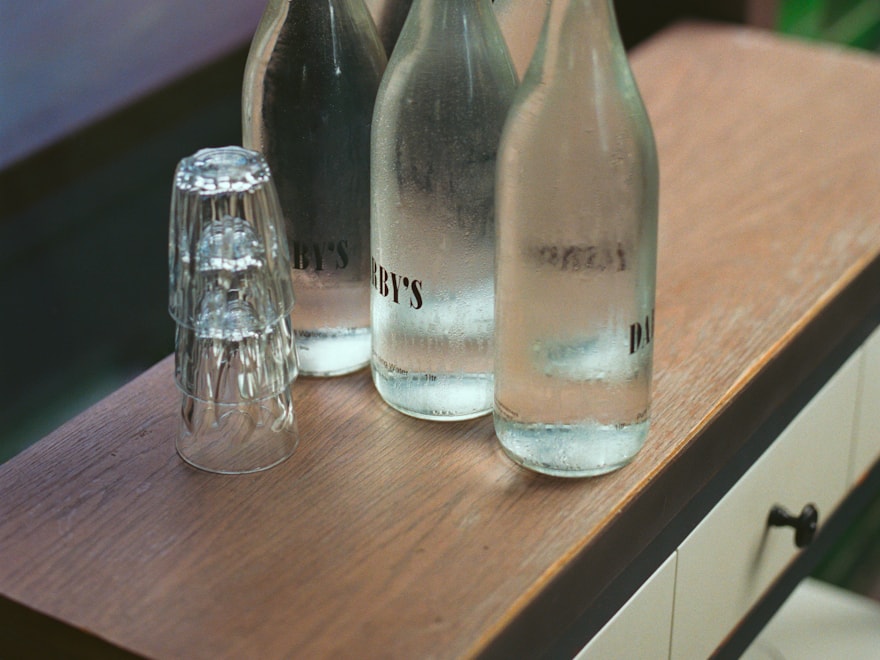
Twenty-seven categories, 10,000+ stock SKUs, four production bases — from 3 ml rollerballs to 8 litre dispensers, all mixable in one container.
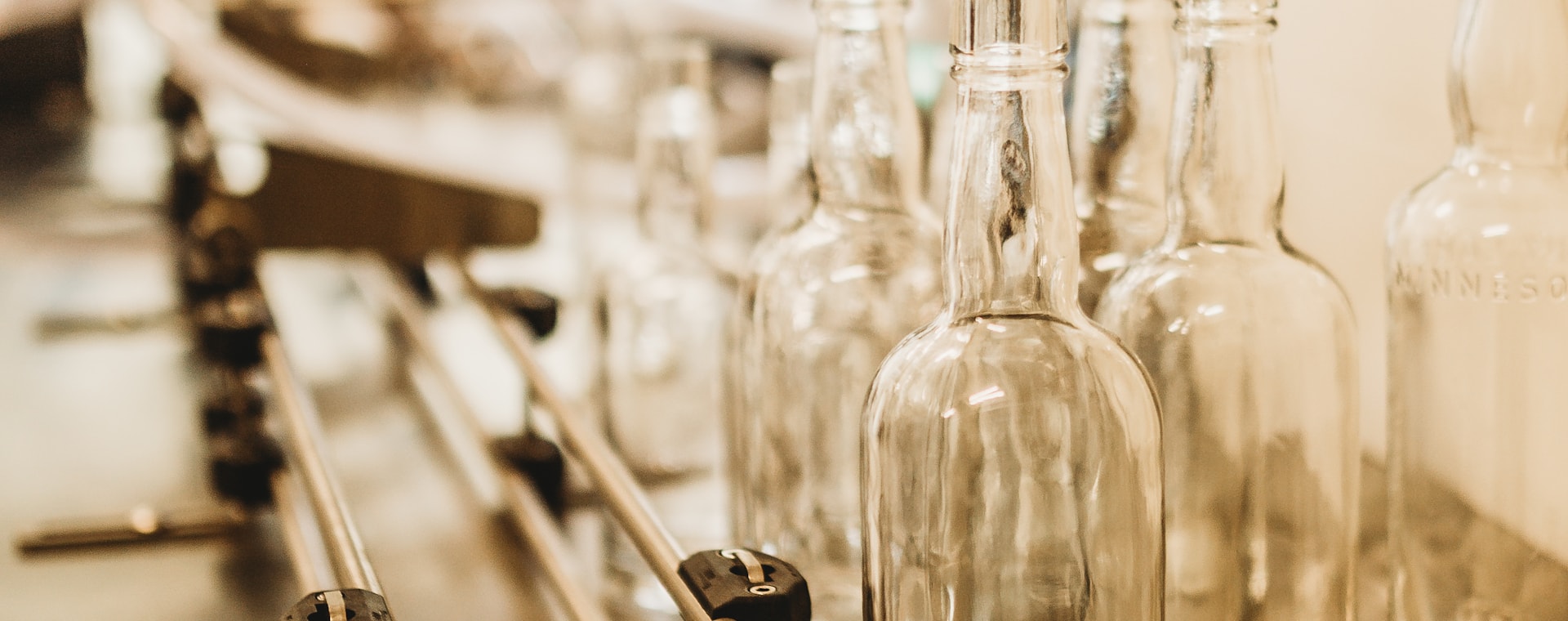
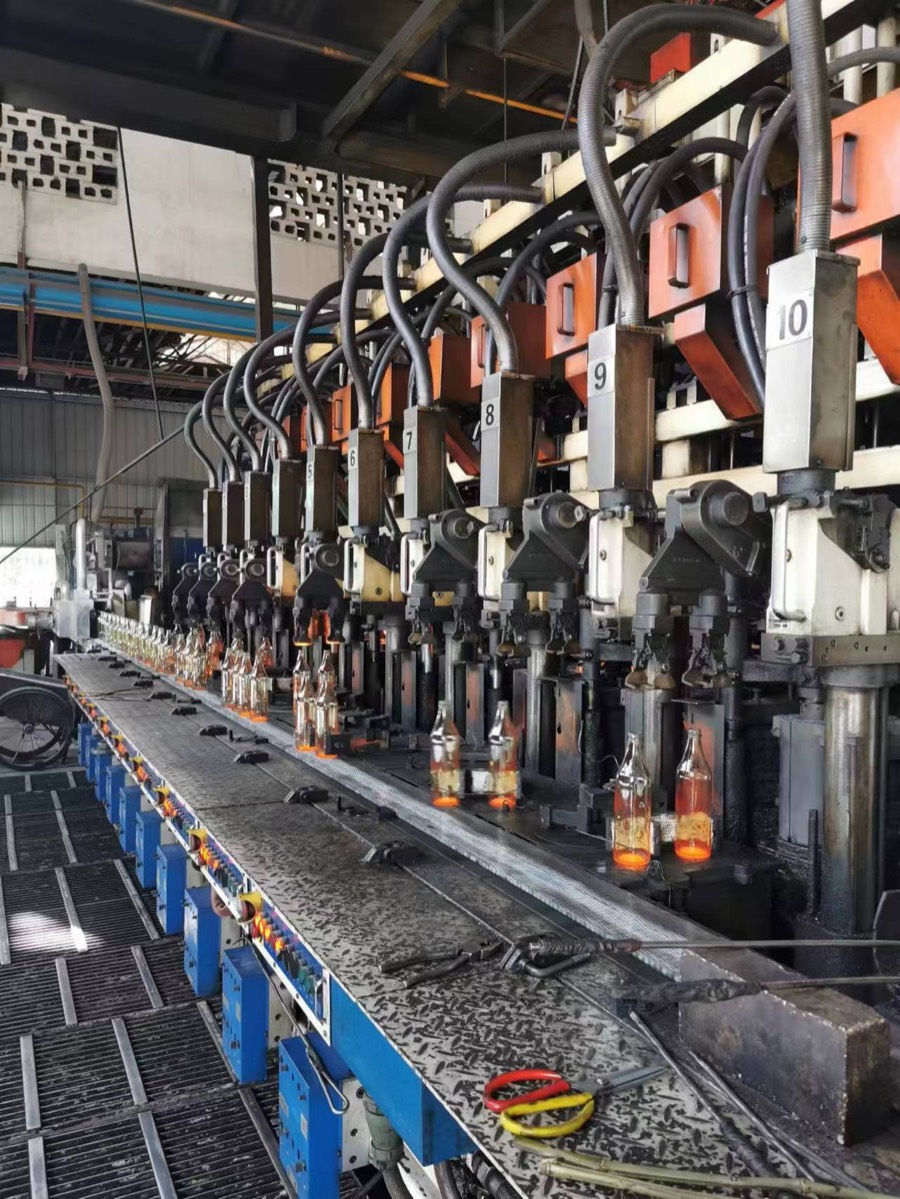
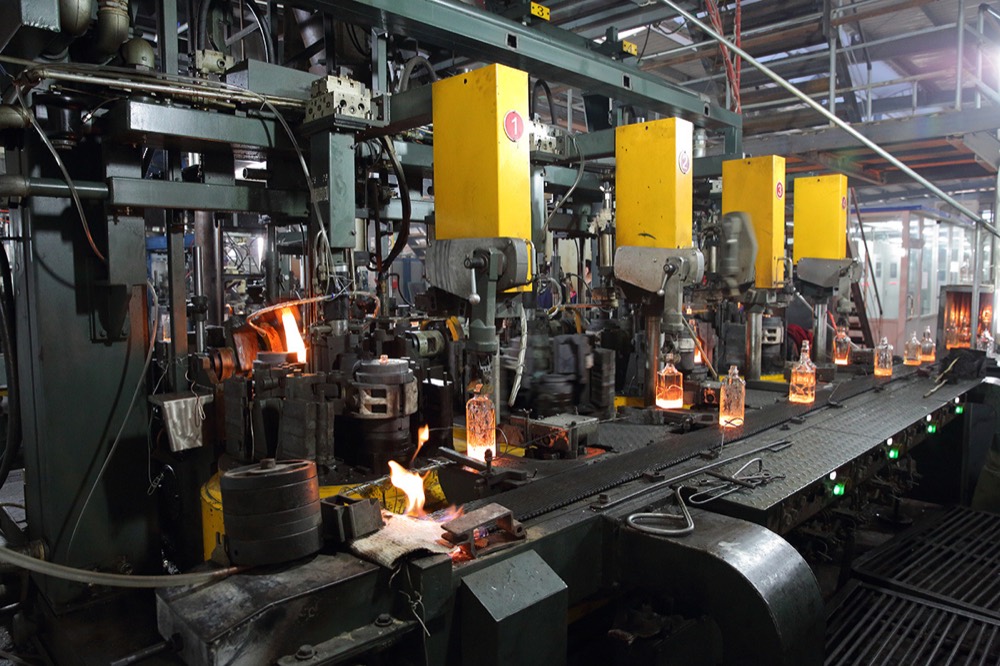
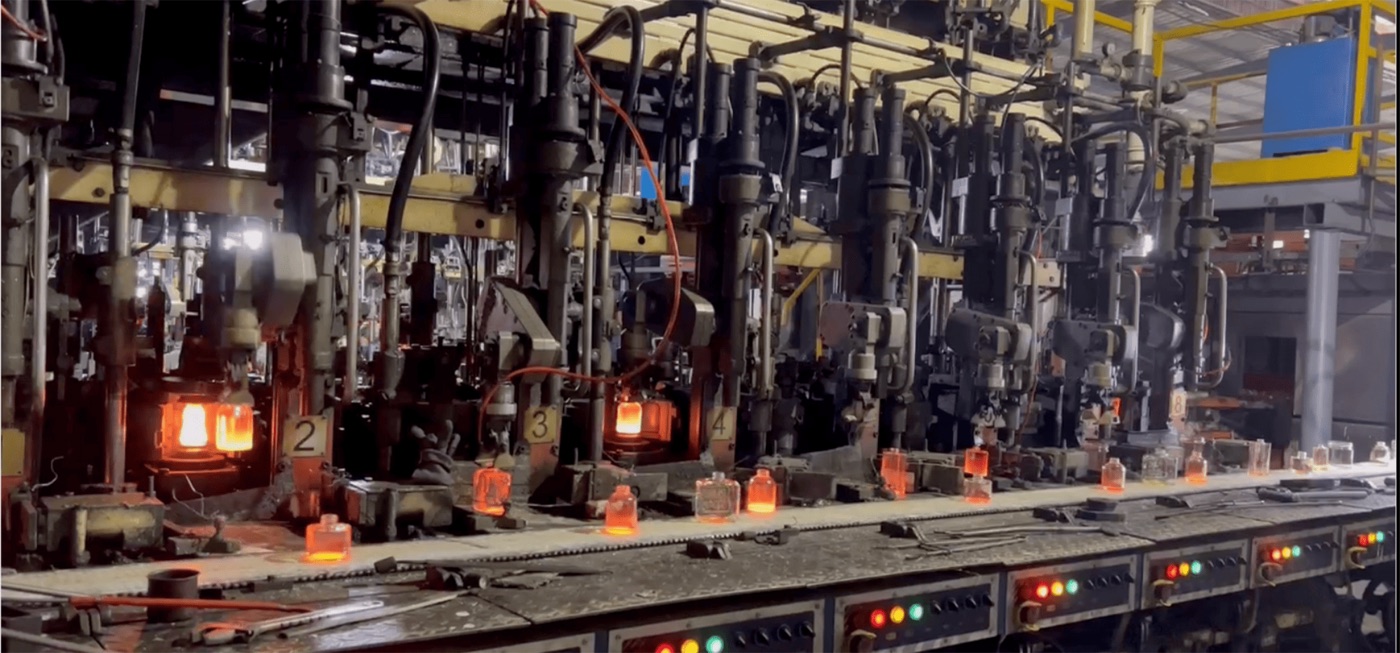
Glass containers are the only thing we make. Not closures on the side, not a trading desk quoting you from three mills and hoping the shipments match. Every furnace, every forming line and every inspection machine across our four bases exists to produce glass bottles and jars.
Your order is formed in Tai'an, Zaozhuang, Heze or Xuzhou — 78 production lines, roughly 1.9 billion bottles a year, under MAIDAO INDUSTRY and exporting since 2013. Which base runs your order is a sourcing decision we make with you, not a formality: super-flint spirits work runs at Heze, container-scale flint and amber at Tai'an and Zaozhuang, and mixed small runs at Xuzhou, where a single line can hold eight products at once.
Every shape in the catalogue is already tooled and running. Twenty-seven categories, 10,000+ SKUs in stock, spanning 3 ml rollerballs to 8 litre dispensers in soda-lime, flint, super-flint and borosilicate, in flint, amber, green, blue and black. No mould cost, no new tooling lead time — you are ordering off shapes that are running.
You can put your own brand on any of it without paying for a mould. Frosting, spray coating, screen printing, hot stamping, electroplating and labelling all run in our own decoration plant, so a stock shape carries an exclusive look for the cost of the decoration alone — and reaches your warehouse months before a custom mould would have finished sampling.
Four bases, one spec sheet. Same compliance stack, same documentation, same quality standard wherever your order runs. You choose the base on glass family, order size and lead time — not on a quality trade-off.

Food, drinks, spirits and beauty glass all load together. Most first orders are three or four categories on a single pallet plan, which is how a new range gets to market without a container of one shape sitting in your warehouse.
Lug and continuous-thread finishes that run on any existing capping line, from 45 ml spice jars to 8 L dispensers.
100 ml – 8 L
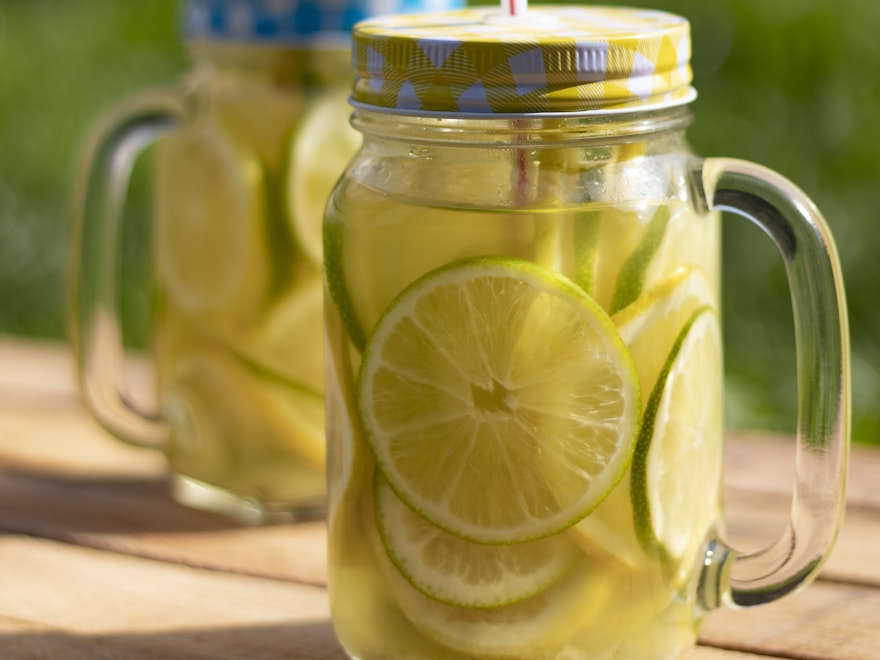
Handled mugs, wide-mouth preserving jars and tapped beverage dispensers, tinplate or aluminium capped. The format that sells into gift, farmers-market and hospitality channels at a retail price a plain jar can't hold.
See the range →
45 ml – 1 L
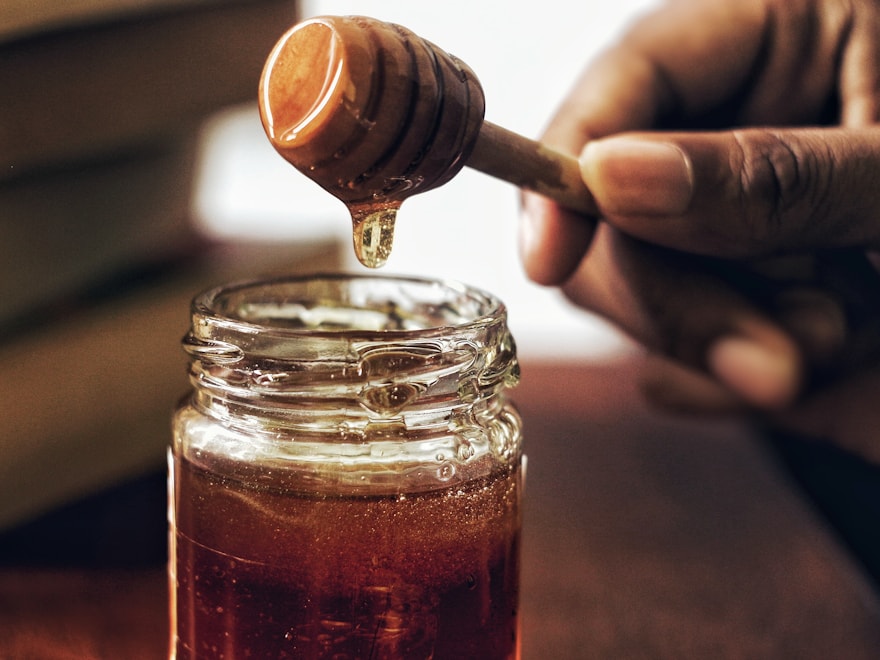
Hexagonal, pot-belly and square jars with wood-dipper, tinplate or alumina lids. Honey is a shelf category where the jar carries the premium — the dipper lid alone moves the price point.
See the range →
45 – 770 ml
Round preserve jars in the standard European fill sizes with tinplate twist-off finishes. The volume line for private-label food packers, and the one most likely to already match the caps you stock.
See the range →
50 ml – 1 L
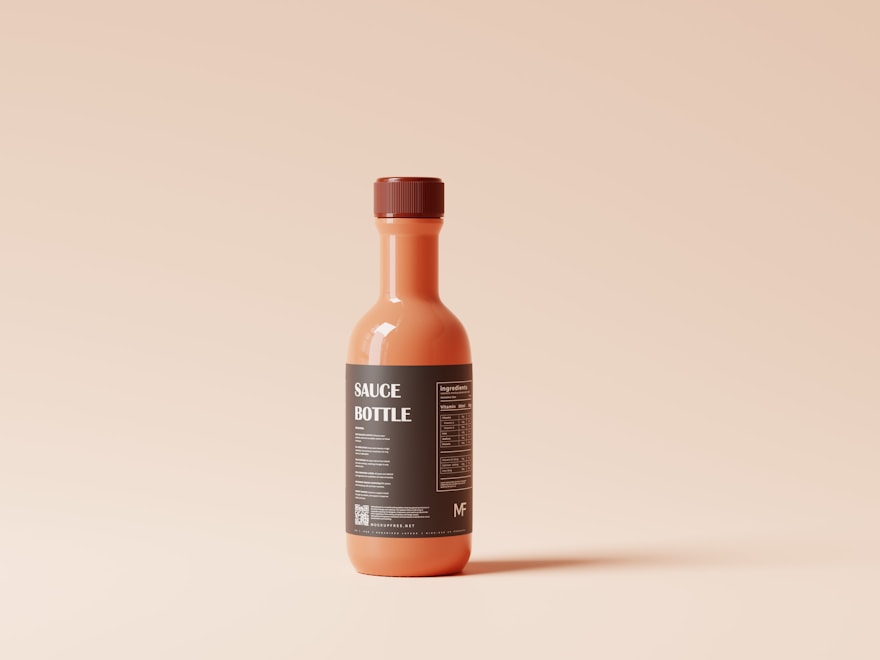
Woozy and premium sauce bottles with or without ring neck, plus double-nozzle soy caps. Hot sauce is a high-margin shelf category where the bottle shape does the branding work before the label does.
See the range →
50 – 250 ml
Condiment jars finished for grinder, flip-and-sift, brush, spoon and dipper caps — nine closure systems across the line. Spice buyers choose on the cap system; the glass has to be finished for it.
See the range →
400 – 700 ml
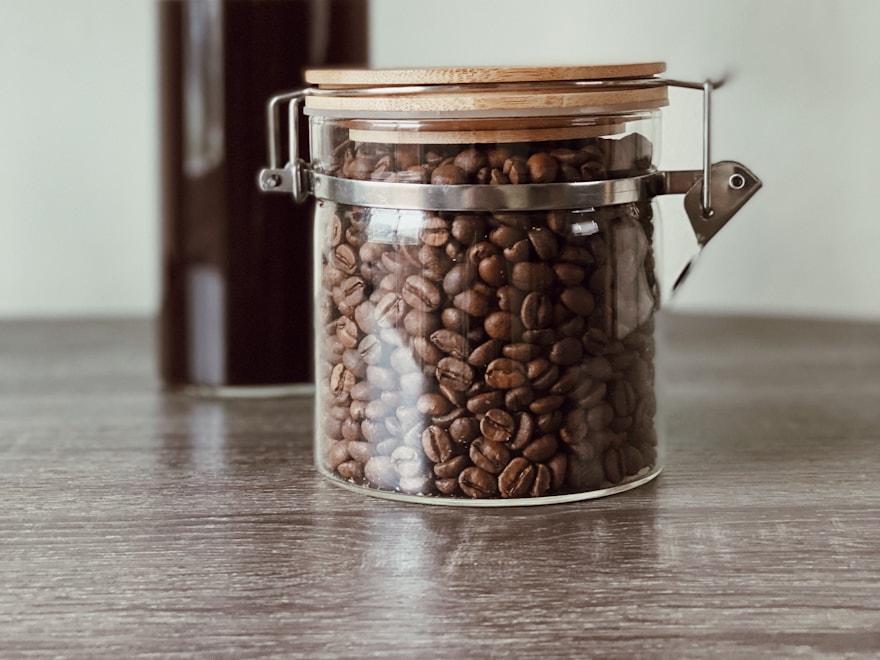
Wide-cap, square and flat jars with plastic screw finishes, sized for 250 g and 500 g retail packs. An airtight jar is what keeps a roast-date claim defensible on shelf.
See the range →
50 – 950 ml
Display jars with glass, tinplate or wooden lids for confectionery counters and bulk-bin retail. Sold entirely on visibility, so clarity and an even wall are the product.
See the range →
500 ml – 5 L
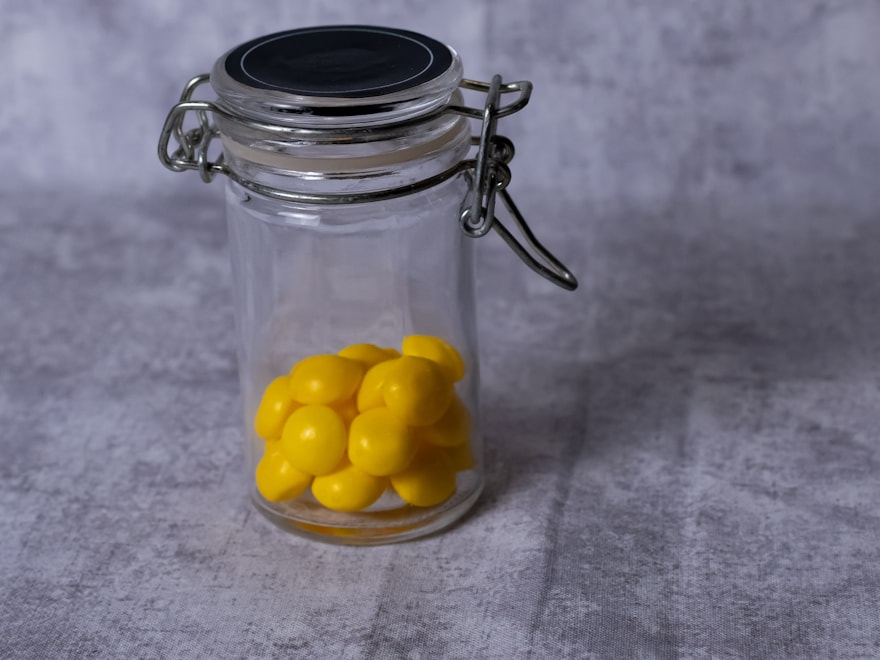
Clip-top jars with metal clamp and gasket, six sizes up to 5 L. One profile across a whole size ladder — your buyer merchandises a full shelf without sourcing a second mould.
See the range →
100 ml – 1 L
Square and round marasca in antique green, dark green and flint, with pour spouts or aluminium caps. Green glass here is a shelf-life spec, not decoration — it is what keeps oil from going rancid under retail lighting.
See the range →Crown, swing-top, cork and tamper-evident finishes in flint and amber — 15 ml through 1.9 L, all mixable in one container.
50 ml – 1 L
Cold-pressed, Boston round, square and Europe-style bottles taking aluminium caps or cork. Cold-chain juice sells on how clean the liquid looks, which is why these run in flint with no green cast.
See the range →
60 ml – 1 L
Resealable ceramic swing tops in flint and amber, 60 ml through litre. The reclosable format that lets a drinks brand charge for a bottle the customer keeps and refills.
See the range →
250 ml – 1.9 L
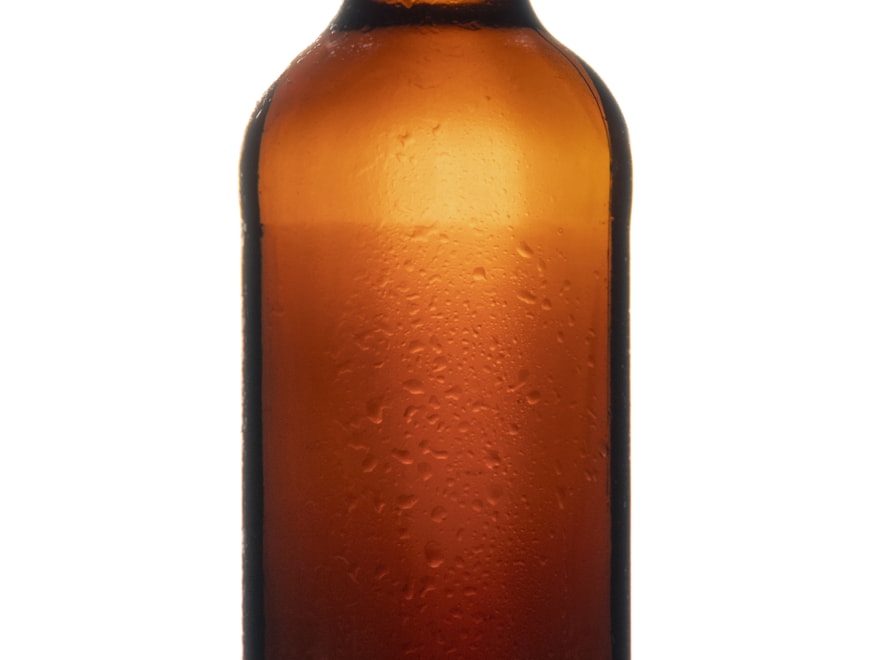
Crown-finish amber from 250 ml through 650 ml bombers to half-gallon growlers. Amber blocks the wavelengths that skunk beer — a shelf-life decision your brewer will ask about before your price.
See the range →
187 ml – 1.5 L
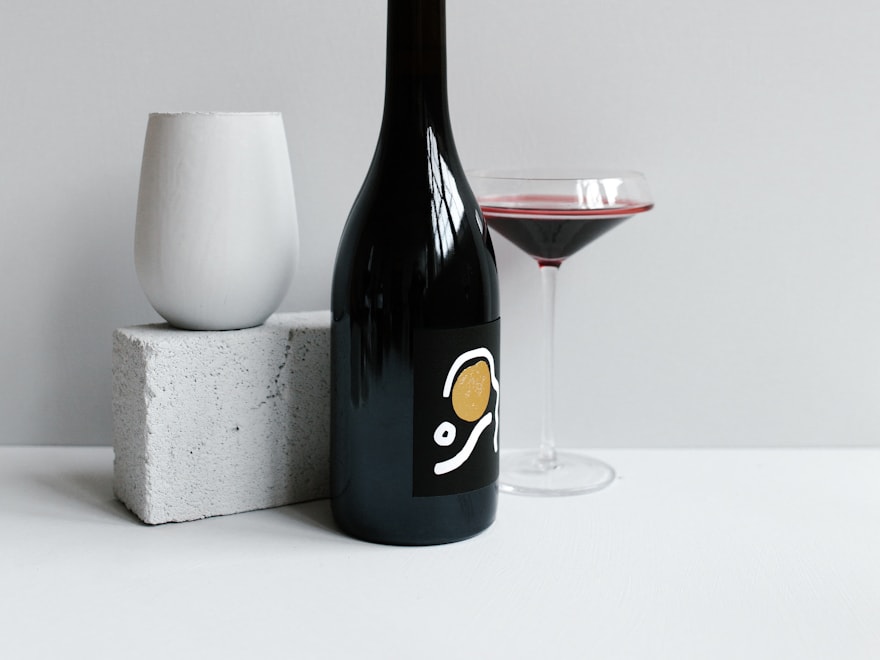
Bordeaux, Burgundy, Hock and Champagne in green, amber, black, blue or a colour matched to your brief, corked or aluminium-capped. Split and magnum formats sit alongside the 750.
See the range →
150 ml – 1 L
Still and mineral formats in soda-lime, flint and high-borosilicate with eight lid systems — bamboo and stainless included. Borosilicate takes thermal shock, which is the spec if you are selling a reusable line.
See the range →
50 ml – 1 L
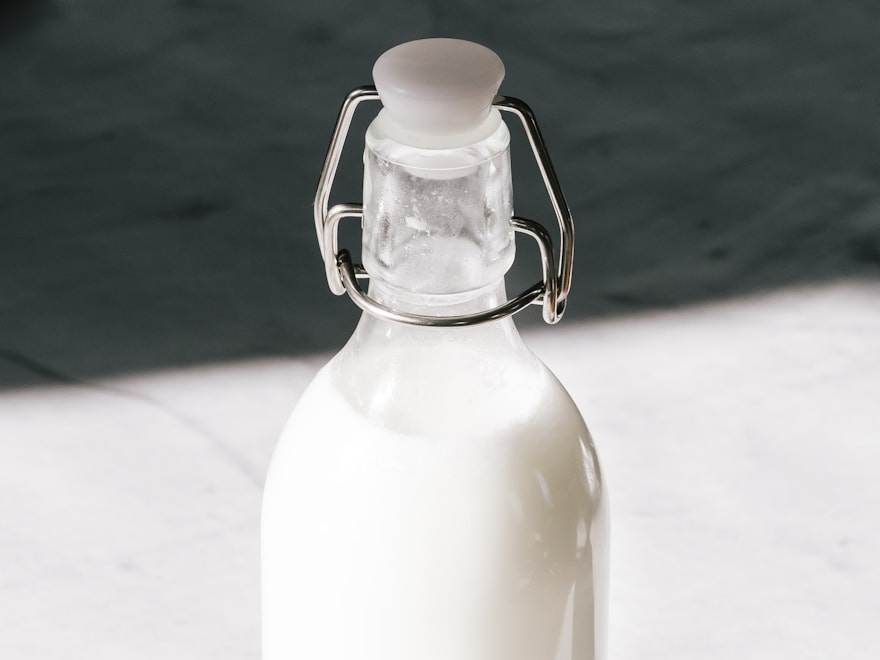
Dairy and pudding formats with PE, tinplate and tamper-proof plastic closures. Returnable glass milk is growing again in short-chain retail, and tamper evidence is what gets it onto a supermarket planogram.
See the range →
15 – 960 ml
Clear, amber, green and blue Boston rounds from 15 ml to a US quart, aluminium or cork finished. One profile, one cap spec, the entire size ladder — the easiest range to stock deep.
See the range →Vodka, gin, liquor and ice-wine bottles run at our Heze base in super-flint — the clarity tier, and the 12,000-piece MOQ tier.
100 ml – 1 L
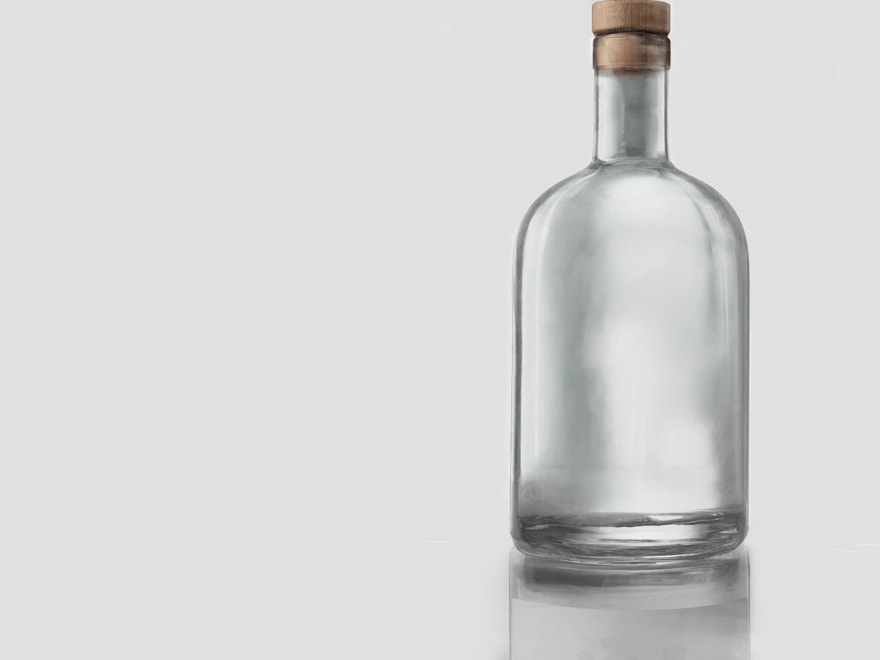
OSLO and flat profiles from 100 ml minis to litre duty-free formats, cork-and-screw finished. Super-flint is what makes a clear spirit read as clean rather than grey through the glass.
See the range →
100 – 750 ml
Flat-round, diamond and wide-shoulder profiles with cork or glass stoppers. Gin is fought on bottle shape before label design, and these heavy-base profiles carry frosting and screen print without distortion.
See the range →
250 – 500 ml
250 and 500 ml cork-finish bottles for whisky, brandy and regional spirits — the two sizes that carry a tasting range or a travel-retail set.
See the range →
175 – 750 ml
Bowling and flat-mouth profiles from 175 ml. Dessert wine sells in small formats at a high price per ml, so the bottle has to justify the shelf price on its own.
See the range →3 ml rollerballs to 960 ml pump bottles — the formats that carry frosting, spraying, electroplating and hot stamping.
5 – 150 ml
Square, round, cylindrical and water-drop bodies finished for anodised aluminium crimp sprays. Super-flint takes electroplating and frosting without the green cast that kills a fragrance shelf.
See the range →
5 – 100 ml
Serum and essential-oil bottles in clear, amber, pink and gold-electroplated with matched droppers. Amber is the actives spec — it is what protects a light-sensitive formulation through its shelf life.
See the range →
3 – 50 ml
Flat, multifaceted and embossed rollerballs from 3 ml — the smallest format we run. The sampling and travel-retail SKU that gets a fragrance line into a customer's hand at almost no unit cost.
See the range →
240 – 960 ml
Boston and round bodies in flint and amber, necked for standard lotion pumps. Refill-format soap in glass is the fastest-moving switch in home care, and the neck spec decides whether your pump supplier works.
See the range →
59 – 237 ml
2 oz to 8 oz vessels in amber, clear, custom colours and borosilicate, bamboo or metal lidded. Candle glass has to survive the burn — borosilicate handles a thermal load that cracks soda-lime.
See the range →
35 – 330 ml
Square, flat, sunflower and relief-sculpture bodies in super-flint. A diffuser sits on display for months rather than weeks, so the glass is the product's entire visual life.
See the range →
Home-decor range
Hydroponic, small-mouth, gradient and gilded vases — our widest single range, and the line that lets a home-fragrance buyer extend into decor without opening a second supplier account.
See the range →One spec sheet covers all twenty-seven categories. Exact capacity, finish dimensions and closure drawings come with the quote on anything you shortlist — before you commit, not after.
| Parameter | Range |
|---|---|
| Capacity | 3 ml – 8 L |
| Glass families | Soda-lime · flint · super-flint (extra-flint) · borosilicate and high-borosilicate |
| Colours | Flint/clear, amber, green, antique green, dark green, blue, black, pink, electroplated gold — custom colour to brief |
| Closure finishes | Lug and tinplate twist-off, continuous thread, crown, swing top, cork, cork-and-screw, crimp spray, dropper, pump, roll-on, metal clip, grinder, flip-and-sift, bamboo, wood, stainless |
| Decoration | Frosting, spray coating, screen printing, hot stamping, electroplating, labelling — in our own decoration plant |
| Lightweighting | NNPB forming on the flint and amber lines at Tai'an and Zaozhuang |
| Recycled content | Cullet at 20% average, 30% maximum |
| Furnaces | Natural gas fired since 2016 |
| Compliance | ISO 9001 · SGS · EC 1935/2004 · FDA · CA Prop 65 · RoHS · CNAS · GB · EBO |
| Custom mould tooling | Acrylic prototype ~10 days, $500 · sample mould 35 days, ≈$1,200 · production mould $1,200–2,200 |
| Custom MOQ | 12,000 pcs extra-flint · 50,000 pcs standard flint |
Stock designs carry no tooling cost and no per-shape minimum beyond the container you fill. Mould and MOQ figures apply only when you commission a silhouette of your own — see how a custom mould develops, priced by stage.
Seventy-eight lines across Shandong and Jiangsu, and they are not interchangeable. Your glass family decides the base, the base decides your minimum, and both are settled before you see a price.

37 lines
Flint and amber, NNPB lightweighting, automated inspection and palletising. Where container-scale food and beverage orders run.

20 lines
Flint, NNPB, automated inspection and palletising. Takes the high-volume white-glass beverage work alongside Tai'an.

14 lines
Super-flint specialists — every spirits, perfume and diffuser design runs here. This is the base behind the 12,000-piece MOQ tier.

7 lines
One line here runs eight different products at the same time. If your order is a mixed pallet of small runs rather than a container of one shape, it goes to Xuzhou.
Your glass family sets your minimum. Extra-flint runs from 12,000 pieces, standard flint from 50,000 — and glass family is also what decides which base makes your bottle. A spirits launch and a jam contract are different factories inside the same company, quoted off the same spec sheet by the same sales engineer. See the full factory breakdown →
The same glass, four very different buying conversations. Get the spec wrong for a segment and the order is lost before price ever comes up.
Jam, honey, sauce, spice, oil and pantry packers. They buy on cap compatibility first — a jar that doesn't match the capping head they already own is a non-starter, however good the price.
Juice, water, milk, kombucha and craft beer. Colour is a technical decision in this segment: amber for light protection, flint where the liquid is the selling point, borosilicate where the bottle gets reused.
Glass Beer Bottles → Swing Top Bottles → Glass Milk Bottles →
Distillers and wine brands where the bottle is most of the packaging budget. They need super-flint clarity, a heavy base that carries frosting and hot stamping, and a cork finish that a bottler can actually run.
Fragrance, skincare, soap, candle and diffuser brands. Small glass, high decoration, and a neck spec that has to match a pump or crimp spray sourced from somebody else — get that wrong and the whole line stops.
Glass Perfume Bottles → Glass Candle Jars → Glass Dropper Bottles →
If you have imported glass before you have met at least two of these. None of them are visible in a quotation, and every one of them is decided upstream of the bottle you eventually hold — at the feeder, in the lehr, or on the coating line.
What goes wrong
Glass breaks when one part of the wall changes temperature faster than the rest. It surfaces at the filler, in the tunnel pasteuriser, or in a customer's dishwasher — and when it surfaces it takes a shift of production with it, not one bottle. The material itself tolerates the differential fine. What makes a bottle fail is residual stress left in the glass and an uneven wall for that stress to concentrate in.
How we prevent it
Two control points, both upstream of the bottle you see. Every container passes through an annealing lehr on a controlled cooling curve, held through the annealing range and brought down slowly past the strain point so the stress relaxes instead of setting into the glass — that is what buys the thermal tolerance. Then NNPB forming on the flint and amber lines distributes wall thickness evenly, so there is no thin band for the stress to gather in. Where a format genuinely gets thermally cycled — reusable water bottles, candle jars that burn all the way down — we run borosilicate rather than soda-lime — so tell us your fill temperature and whether the bottle gets reused before you pick a shape, not after.
What goes wrong
The sealing surface is the narrow ring at the top of the finish that the closure liner actually presses against. A chip, a dip, a blister or an out-of-round finish there and the closure will not hold vacuum. None of it is visible looking into a carton. You find out when a pallet loses seal on a retailer's shelf, six weeks after you paid for it.
How we prevent it
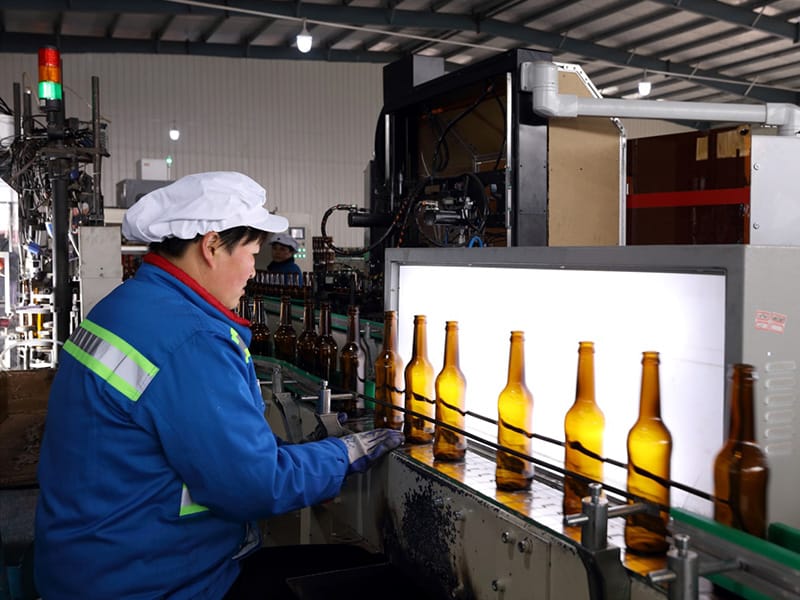
Finish inspection is 100% at every base — every bottle through the line, not a sample pulled from it — and it runs two ways depending on where your order is made. Zaozhuang inspects by machine on the cold end. Heze and Xuzhou inspect 100% by hand, backed by a randomised audit sample pulled every two hours, twelve times a day. Either way the check covers the sealing surface for dips and chips, the bore and out-of-round, and anything that fails comes off before packing. Ask for the finish drawing on any design and it comes back the same day, because your closure supplier needs those dimensions before you commit to a cap — and a cap sourced against the wrong finish drawing is the second most common way this goes wrong.
What goes wrong
Glass leaves the forming machine at several hundred degrees. Cool it unevenly and the outside sets while the inside is still contracting, so the bottle carries permanent internal stress. That bottle looks perfect. It breaks later — on your filling line, under a capping head, in transit, in someone's hand — and the failure gets written off as handling, because nothing on the bottle explains it.
How we prevent it
The lehr is the whole answer, and it is the piece of a glass plant that separates the ones who take it seriously from the ones who run product through faster. Containers travel a temperature profile designed to relax stress rather than freeze it in. Residual strain is then checked under polarised light, which is the only way to see it at all: stressed glass shows its stress pattern in a polariscope and properly annealed glass does not. Strain results do not ship with the consignment as standard. If your filling line or your market wants them, ask at quotation and they come with the order.
What goes wrong
Brimful capacity drifts between mould cavities. Your filler is set to a volume, so the liquid level moves up and down under the label from pallet to pallet. It reads as short measure whether or not it is — and in metrology-regulated markets that is a legal exposure, not a cosmetic one.
How we prevent it
Capacity is controlled at the source, at the feeder, by holding gob weight: get the weight of glass right and the capacity follows. It is verified downstream by water-fill weight, the standard brimful method, and that check is routine on every run at all four bases rather than something you have to specify. Every bottle also carries its mould number in the base, so a capacity drift traces back to the cavity that caused it instead of being averaged across the run and lost. Give us your fill point and target fill volume rather than just the nominal size, and we will quote against that number.
What goes wrong
Two bottles of identical weight can be entirely different products. Glass pushed to one side leaves a thin band that fails under internal pressure or vertical load — and the fix most suppliers reach for is simply more glass, which you then pay ocean freight on for the life of the SKU, every container, forever.
How we prevent it
NNPB forming on the flint and amber lines. Narrow-neck press-and-blow presses the parison with a plunger instead of blowing it, which puts glass where the drawing says it belongs rather than where the air happens to push it. Even distribution is what makes lightweighting safe — full wall where the load is, no surplus anywhere else. If freight per unit matters to your landed cost, ask for the finished bottle weight next to the unit price. Two quotes at the same price are not the same quote when one bottle is forty grams heavier.
What goes wrong
Most bottles that arrive broken were not broken by the impact that broke them. Glass is enormously strong until its surface is scratched, and every scratch is a permanent loss of strength that never comes back. Bottle-to-bottle contact on a conveyor inside the plant is what causes the breakage that shows up a month later on a truck.
How we prevent it
Surface treatment at Zaozhuang, and handling everywhere. The Zaozhuang lines run hot-end and cold-end coating — a hard tin-oxide layer sprayed on while the glass is still several hundred degrees, which seals the micro-cracks, then a lubricating layer after the lehr so containers slide past each other on the conveyor instead of abrading each other. Across the bases, automated inspection and palletising at Tai'an and Zaozhuang carry bottles through by machine rather than by hand, which takes people out of the stage where most surface damage is done. Pallets ship with layer pads and wrap, and where the destination or the transit warrants it we will quote a heavier pack format rather than let you find the difference on arrival.
Glass is a weight-and-volume product. What you fit in the box moves your landed cost per unit more than the unit price does.
| Container | Product | Approximate capacity |
|---|---|---|
| 40HC | 750 ml bottles, standard shapes | ≈ 25,000 pcs |
| 40HC | 750 ml bottles, irregular shapes | ≈ 22,000 pcs |
| 40HC | 12 oz bottles | ≈ 60,000 pcs |
Mixed loading across categories is standard — a container can carry jam jars, sauce bottles and candle vessels together, which is how most first orders are built. Irregular silhouettes cost you roughly 12% of the load, so if two shapes are otherwise equal, the rounder one is cheaper to land. Warehousing and logistics are handled in-house; we quote EXW and FOB.
Minimums, glass families, branding and compliance all get settled in writing at quotation — nobody asks you for a deposit against an unanswered question.
Yes — stock designs from different categories load in the same container. A 40HC takes roughly 25,000 × 750 ml bottles, about 22,000 if the shape is irregular, or around 60,000 × 12 oz. The per-design minimums that matter are the custom-mould ones; for stock shapes the practical floor is the load you are willing to fill.
Soda-lime is the default for food jars and most packaging glass. Flint is clear soda-lime run for better clarity, used across beverage. Super-flint has the highest clarity and takes decoration best — it is what every spirits, perfume and diffuser design here runs in. Borosilicate handles thermal shock and is available in the mason, candy, water and candle lines. If the bottle gets reused or gets hot, ask about borosilicate; if the bottle is the packaging budget, ask about super-flint.
Glass family. Extra-flint runs at 12,000 pieces minimum, standard flint at 50,000. That is also a base decision — super-flint work runs at Heze, high-volume flint and amber at Tai'an and Zaozhuang. If neither number fits your launch, a mixed container of stock designs is the way in.
Yes, and it is the cheapest route to a branded shelf. Any stock shape can be frosted, spray-coated, screen-printed, hot-stamped, electroplated or labelled in our own decoration plant. You skip the $500–$2,200 tooling entirely and still own the look. A mould only becomes worth it when the silhouette itself has to be exclusive.
We hold ISO 9001, SGS, EC 1935/2004, FDA, CA Prop 65, RoHS, CNAS, GB and EBO. Test reports are available on request, and third-party inspection can be arranged before loading. Technavio and Mordor Intelligence have both listed SGSBOTTLE as a major vendor in their glass packaging coverage.
Yes. We sign NDAs as a matter of course — ask for one with your first email and it comes back before you send drawings.
Send a drawing, a competitor's bottle or a rough spec — a sales engineer works it against what is already running before anyone mentions tooling.
Send the categories, capacities, colours and quantities. Pricing and a container plan come back within one business day.
Tell us the market, the fill and roughly what volume. We will map stock designs to it and say which ones load best together.